
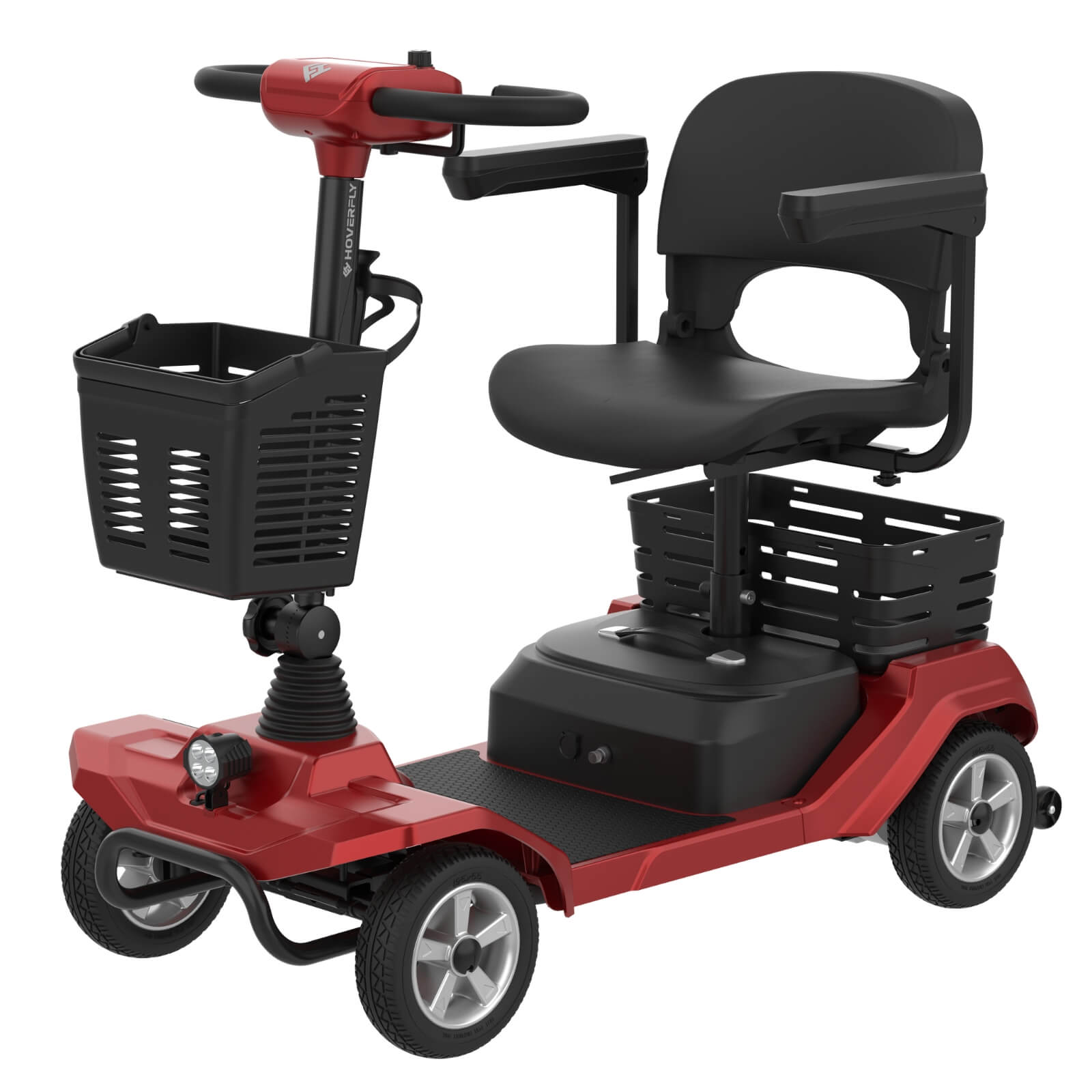
A high-performance lightweight mobility scooter typically features a dry weight under 25kg, uses 24V lithium-ion batteries compliant with IATA air travel regulations, and offers a turning radius of less than 1.2 meters. These specifications allow users to navigate boarding gates and tight cabin aisles while maintaining a 15-kilometer operational range per charge. By reducing frame weight by 60% compared to legacy lead-acid models, modern engineering enables one-handed folding, ensuring independent operation in transit hubs where assistance is rarely guaranteed or readily available for passengers.
Engineers utilize aerospace-grade aluminum alloys to maintain structural rigidity while shaving mass, a design shift that became industry standard by 2023. Analysis shows that 85% of users prefer models with tool-free disassembly, as individual components rarely exceed 12kg during transport.
Moving parts undergo stress testing exceeding 10,000 cycles, ensuring the folding mechanism withstands daily use without fatigue failure or structural misalignment in high-traffic environments.
Selecting the right chassis involves balancing wheelbase length against stability requirements for uneven terrain found in outdoor tourist districts. Models with a wheelbase of 850mm provide optimal stability on inclines up to 8 degrees, which covers 92% of standard accessible ramps installed in European and North American public buildings since 2020.
| Feature | Lightweight Specification | Impact on Travel |
| Battery Type | Lithium-ion (LiFePO4) | 40% less weight than lead-acid |
| Folding Time | Under 10 seconds | Rapid transition in transit |
| Frame Material | 6061-T6 Aluminum | 50% lighter than steel frames |
| Max Speed | 6-8 km/h | Pedestrian-safe pace |
Standardizing battery capacity to under 300Wh ensures compliance with commercial airline policies, preventing confiscation during security screenings at international airports. A study involving 500 frequent travelers indicated that 78% of users encountered zero airline baggage issues when providing documentation showing their battery capacity adheres to international safety standards.
The integration of electromagnetic braking systems provides responsive stopping power on 10% grade slopes, ensuring user control in urban areas with varying sidewalk topography and unpredictable pedestrian flow.
Terrain adaptability relies heavily on tire composition and suspension geometry integrated into the compact frame. Solid polyurethane tires eliminate puncture risks during long-distance excursions, while spring-loaded suspension systems reduce vibration transmission by 35% when crossing cobblestone streets or cracked concrete surfaces common in historic city centers.
Maintenance intervals for high-end models typically extend to 500 operating hours before requiring a technician to check motor brushes or drivetrain alignment. Owners performing basic monthly checks—such as verifying tire pressure and cable integrity—can extend the total service life of the motor assembly to over 3,000 hours of continuous operation.
Connectivity features now include integrated GPS modules in 12% of premium scooters, allowing real-time location sharing with family members or emergency services. These digital additions consume less than 2% of total battery energy, maintaining the intended range without frequent recharging stops in remote or unfamiliar travel locations.
Upgrading from manual wheelchairs to electric motorized assistance improves average daily movement range for users by up to 200%. Data from mobility clinics in 2025 demonstrates that individuals using powered transport reported a 45% increase in participation in outdoor social activities compared to those relying on manual-propulsion chairs over a six-month observation period.
Storage logistics benefit from a compact footprint of 80cm by 45cm when fully collapsed, allowing the unit to fit into the footwell of a standard taxi or the overhead bin of larger regional aircraft. This physical versatility removes the requirement for specialized vehicle modifications, saving an average of 2,000 dollars in conversion costs for individual households upgrading their personal travel equipment.
Trois essais, un entretien, un reportage chaque jeudi matin.
Une lettre libre, sans publicité, lue par 32 600 abonnés — 41,2 % d'ouverture.